

Most people think hearing loss just makes it harder to follow a conversation. You turn up the TV, ask people to repeat themselves, and eventually learn to manage. What many people do not realize is that untreated hearing loss may be doing something much more serious in the background. Research now links it directly to a higher risk of dementia and memory decline.
An international group of leading scientists ranked hearing loss as the single biggest risk factor for dementia that people can actually do something about. That puts it above smoking, high blood pressure, and physical inactivity. The good news is that hearing loss is treatable. Getting it checked and addressed early is one of the most powerful steps you can take for your brain health as you age.
Why Hearing Loss and Dementia Are Linked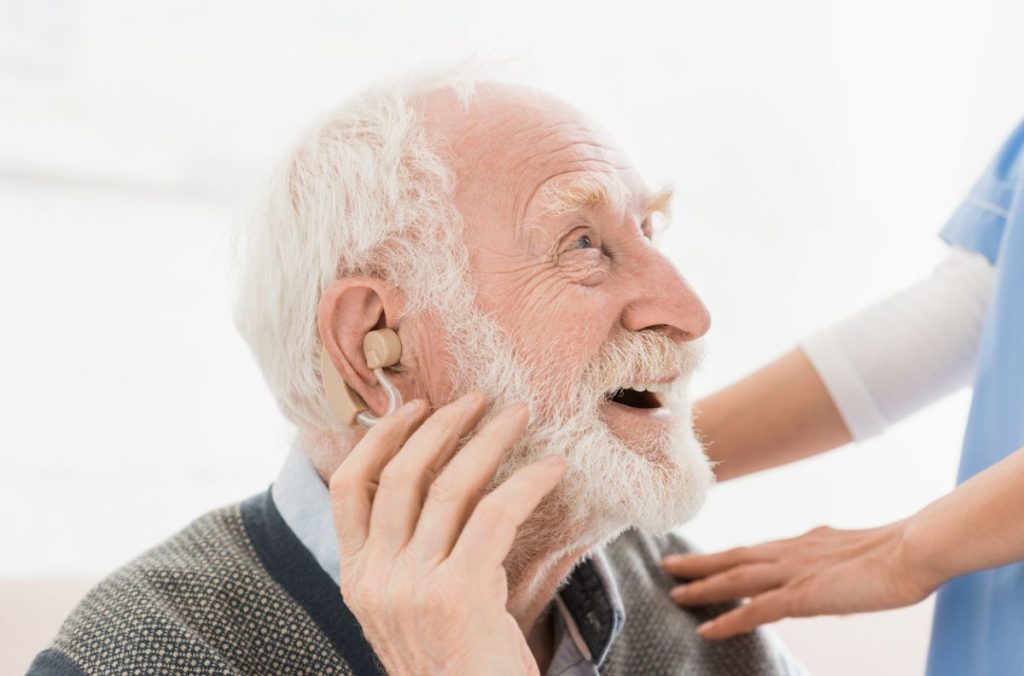
Your ears and your brain work together constantly. When your hearing starts to fade, your brain does not get the signals it needs, and over time, that affects how well it works. This is not just a theory. The research behind it involves millions of people studied over many years.
What the Research Shows
A large 2024 review analyzed data from 50 studies involving more than 1.5 million people. It found that adults with untreated hearing loss face a significantly higher risk of memory problems and dementia, including Alzheimer’s disease. People in their 40s, 50s, and early 60s with untreated hearing loss were found to be nearly twice as likely to develop dementia compared to people with healthy hearing. These represent some of the strongest evidence in brain health research today.
Who This Affects Most
Hearing loss is common with age, affecting about one-third of adults aged 61–70 and more than 80% of those aged 85 and older. The longer hearing loss goes untreated, the more the brain is affected. That is because the brain regions that process sound and language begin to weaken when they no longer receive sufficient input. Getting tested early gives those parts of the brain a much better chance of staying sharp.
How Hearing Loss Affects Your Brain Over Time
There are a couple of clear reasons why hearing loss creates problems for the brain, and both are worth understanding. Together, they help explain why getting treatment sooner rather than later makes a real difference.
Your Brain Has to Work Too Hard
When your hearing is not clear, your brain has to work overtime just to fill in the gaps. Every conversation becomes a puzzle your brain is solving in real time. All that extra effort pulls mental energy away from things like memory, focus, and clear thinking. Researchers at the NIH have found that this extra strain on the brain is one of the main reasons people with untreated hearing loss show faster mental decline as they age. It is also why so many people feel mentally drained after social situations that once felt easy.
Pulling Away From People Makes Things Worse
When hearing gets difficult, social situations stop feeling worth the effort. Restaurants, family gatherings, and phone calls become exhausting, so many people start skipping them. That withdrawal has serious consequences. Reduced social connection is independently linked to a 50% higher risk of dementia, completely apart from hearing loss itself. When the brain loses both auditory input and meaningful social interaction simultaneously, the combined effect on cognitive health is significant.
What Happens When Hearing Loss Gets Treated
The big question researchers wanted to answer was not just whether hearing loss raises dementia risk, but whether treating it could actually lower that risk. A major 2023 clinical trial gave them some of the clearest answers yet.
The ACHIEVE Study Results
The ACHIEVE study followed nearly 1,000 adults aged 70 to 84 for 3 years. Among participants who were already at higher risk for cognitive decline, those who were fitted with hearing aids and worked with an audiologist experienced cognitive decline that was 48% slower than those who received no hearing treatment. Johns Hopkins researchers who led the study described hearing loss as highly treatable and noted that early action produced real, measurable brain health benefits within just three years.
What Hearing Aids Can and Cannot Do
Hearing aids are not a cure for dementia, and results vary from person to person. What the research consistently shows is that treating hearing loss takes pressure off the brain, brings people back into social life, and slows cognitive decline in those at higher risk. For an intervention that is safe, accessible, and backed by strong evidence, waiting does not make sense.
What to Do If You Think Your Hearing Has Changed
Acting on a hearing concern is easier when you know what to look for and what to expect.
Signs It Is Time to Get Tested
Hearing loss usually develops slowly, so many people adjust to it without realizing how much has changed. Watch for these signs:
- Asking people to repeat themselves often, especially in noisy places
- Turning the TV up louder than others in the room prefer
- Struggling to follow conversations in groups or over the phone
- Feeling worn out after social situations that used to feel comfortable
- Missing soft sounds like birds, doorbells, or children’s voices
- Someone close to you mentions your hearing before you notice it yourself
What a Hearing Evaluation Actually Involves
A comprehensive hearing evaluation with one of our audiologists is thorough, painless, and typically takes about an hour. Here is what to expect:
- A review of your hearing history, including any noise exposure, medications, and family history.
- Pure-tone testing, where you listen for sounds through headphones across different pitches.
- Speech understanding testing, which measures how clearly you understand words, not just whether you can hear them.
- A clear explanation of your results and what they mean for your health.
- A conversation about next steps, including whether hearing aids or other treatment options are right for you.
Protect Your Hearing and Your Brain in Tampa Bay
Your hearing health and your brain health are far more connected than most people realize, and the steps to protect both start with a simple evaluation.
Florida E.N.T. & Allergy has been serving Tampa Bay families for over 50 years. Our board-certified audiologists provide thorough hearing evaluations, personalized hearing aid fittings, and collaborative care alongside our ENT physicians. With 12 locations across the Tampa Bay area, getting expert help is easier than you think. Schedule your hearing evaluation today.